GENEVA:An estimated 2.5 million refugees worldwide will need to be resettled next year, the UN said, at a time when the United States but also other nations are shrinking resettlement access.
UNHCR, the United Nations’ refugee agency, said the needs were down slightly from this year, when around 2.9 million refugees are estimated to need resettlement.
“This is mainly due to the changed situation in Syria, which has allowed for voluntary returns,” UNHCR spokeswoman Shabia Mantoo told reporters in Geneva.”We are seeing some people pull out of resettlement processes in favour of plans to go home to rebuild,” she added.
Mantoo said that in 2026, the largest refugee populations likely to need to be resettled were Afghans, Syrians, South Sudanese, Rohingya from Myanmar, and Congolese.Most of the refugees will need resettling from major host countries including Iran, Turkey, Pakistan, Ethiopia and Uganda, she said.
The announcement came as the UNHCR’s resettlement efforts face towering hurdles.
“In 2025… resettlement quotas are expected to be the lowest in two decades, falling below the levels seen even during the Covid-19 pandemic, when many countries paused their programmes,” Mantoo said.
Part of the decline is linked to the United States — long the world’s biggest resettler of refugees — which has now slammed its doors shut.Shortly after returning to the White House in January, President Donald Trump halted the US refugee resettlement programme.
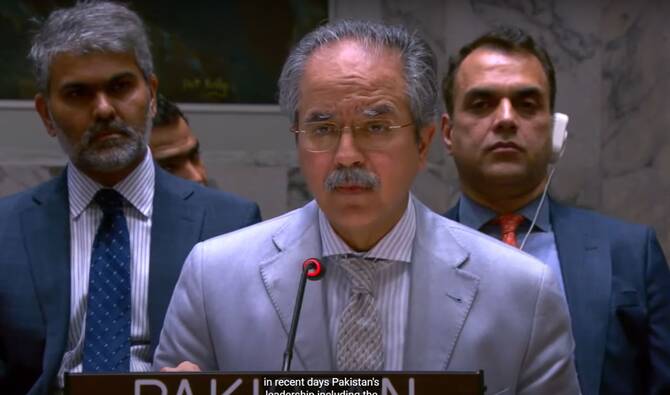
Meanwhile, Pakistan informed the United Nations Security Council (UNSC) that the Tehreek-e-Taliban Pakistan (TTP), the largest UN-designated terrorist group operating from Afghan soil with an estimated strength of around 6,000 fighters, poses a direct threat to Pakistan’s national security.
Participating in a debate on the situation in Afghanistan, Pakistan’s permanent representative to UN Ambassador Asim Iftikhar Ahmad said that terrorist entities, including Al-Qaeda, the TTP, and the Baloch militant groups, continued to operate from ungoverned spaces in Afghanistan.
The Pakistani envoy also voiced concern over the potential destabilising impact of the situation in Iran following unprovoked Israeli attacks and warned that a refugee influx from Iran could pose significant challenges for the neighbouring countries, Pakistan and Afghanistan.