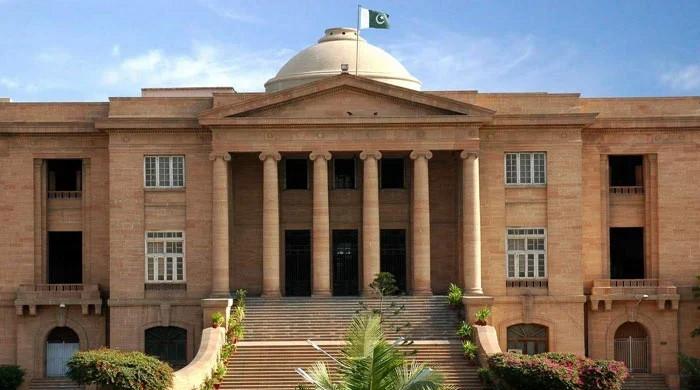
KARACHI: The Sindh High Court (SHC) urged both the provincial and federal governments to ensure national unity is not affected as the dispute over new canals project continues.
The court made the observation while hearing a petition challenging the Indus River System Authority’s (IRSA) water availability certificate for the planned canals in Thal and Cholistan.
The regulatory body had approved the water supply to the Cholistan Canal System project, and also issued a water availability certificate to the Punjab government despite opposition from Sindh.
Under the approval, Punjab was allowed to construct the Cholistan Canal project, branching from the Sutlej River at Sulemanki Headworks, according to IRSA, providing access to 450,000 acre-feet of water, which has been termed “an unfair move” for Sindh.
The certificate, dated January 25, was challenged by the petitioner’s lawyer, who contends that the formation of IRSA itself was illegal.The SHC had on the last hearing stayed the authority’s approval for the construction of canals and sought a response from the federal government on the matter.
During today’s hearing, IRSA secretary, Sindh advocate general, additional attorney general, and others appeared before the court.
The court questioned whether a federal member from Sindh had been appointed to IRSA, to which the AAG replied that there was no such direction in the court order. However, Justice Faisal Kamal Alam remarked that the court’s order already exists.
The SHC inquired why the court order had not yet been implemented.At this, the AAG sought more time to submit a reply on the matter, adding that an appeal in the Supreme Court had been dismissed due to non-pursuance. He said that they were still searching for some court orders and documents.
“You know the current situation better than us,” the court remarked, urging for a final resolution to the matter and stressing the importance of “national unity”.The court also asked if the government officials realised the sensitivity of the issue.
At this, the petitioner’s counsel stated that IRSA’s headquarters had been shifted from Lahore to Islamabad.Meanwhile, the Sindh AG maintained that IRSA’s current composition had affected decision-making powers.
The IRSA secretary said that under the court’s decision, the appointment of a member was not within their authority, and that the headquarters was moved under an ordinance.