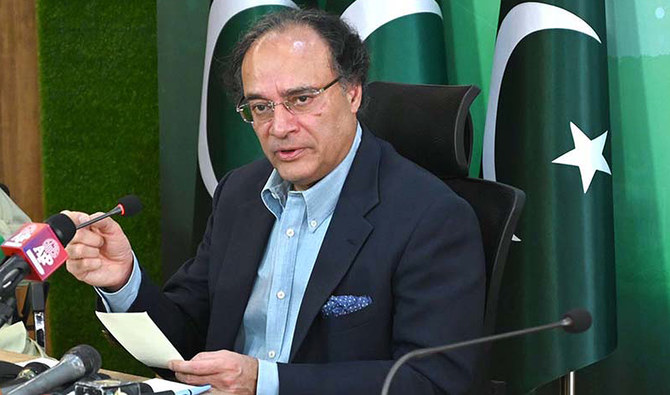
ISLAMABAD: The FY2025–26 budget strikes a balance between relief and reform, Finance Minister Muhammad Aurangzeb said, highlighting measures to ease public burden, support industry, boost revenue, and ensure fair taxation for long-term, export-driven growth.
While concluding the debate on the general discussion of the budget, the minister announced several tax and relief measures that were incorporated into the budget following suggestions from the finance committees of both the National Assembly and the Senate.
He said the government was committed to economic stability amid regional uncertainty.Aurangzeb said the government had announced major relief for the salaried class, stating that the income tax rate for those earning up to Rs3.2 million had been reduced from the proposed 2.5% to 1% for those earning between Rs0.6 million and Rs1.2 million annually.
He clarified that no tax would be imposed on pension commutation or gratuity, adding that only individuals receiving pensions above Rs10 million will be taxed, while those over 75 years of age are fully exempt.
On the solar energy front, the minister clarified that the earlier proposed 18% sales tax on imported solar panel components had been reduced to 10% and will apply only to 46% of imported items, resulting in only a 4.6% increase in the price of imported solar panels.
The finance czar also condemned opportunistic hoarding and artificial price hikes by some market players ahead of the new tax’s enforcement, warning that strict legal action will be taken in coordination with provincial governments.
“Such manipulation and hoarding are condemnable. The government will take strict action under the law against those who exploit public needs,” he said.The minister said that, under the prime minister’s special directives, the powers of the Federal Board of Revenue (FBR) to arrest individuals have been strictly regulated.
In cases involving Rs50 million or more, the FBR cannot arrest anyone without a court warrant and only under specific conditions, such as deliberate evasion after three notices, an attempt to abscond, or formal referral for prosecution.
Arrests must also be approved by a three-member FBR committee, and the accused must be presented before a special judge within 24 hours, ensuring protection against arbitrary detention and abuse of authority.